Healthcare Affordability Requires a Connected Consumer Experience
Healthcare affordability is no longer a side issue. It is one of the biggest barriers preventing patients from starting and staying on treatment.
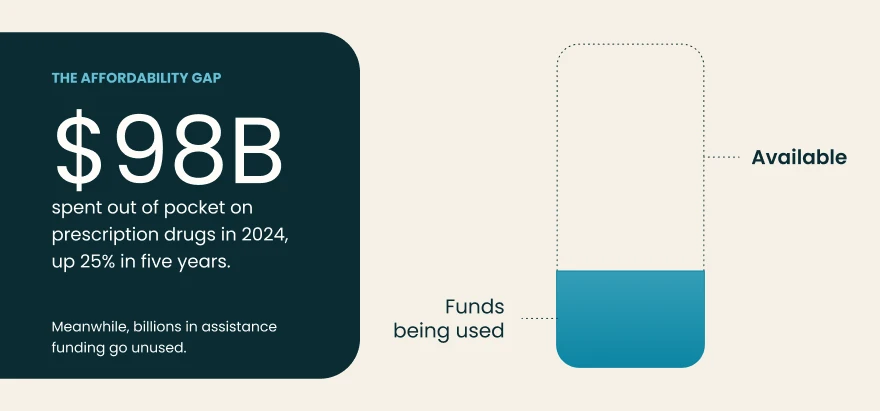
As out-of-pocket medical costs continue to rise, providers, pharmacies, and healthcare organizations are under growing pressure to improve the patient's financial experience and remove barriers to care. Americans spent $98 billion out of pocket on prescription drugs in 2024 alone, a 25% increase over the last five years, according to IQVIA data. [1] Too often, patients delay treatment, abandon prescriptions, or disengage from care entirely because they cannot afford the therapies they need.
At the same time, billions of dollars in financial assistance and patient support funding remain underutilized. The problem is not a lack of resources. It is a lack of connection. Today's healthcare ecosystem is fragmented. Financial assistance programs, copay support, patient assistance programs, manufacturer support, and foundation funding often exist in disconnected systems and workflows. Patients are left to navigate a confusing process on their own while providers and pharmacies manage manual, time-consuming enrollment processes.
Healthcare organizations need connected, consumer-driven technology that simplifies the patient journey, improves medication affordability, and helps patients access financial assistance faster.
The Shift Toward Consumer-Centered Healthcare
Patients increasingly expect healthcare experiences to function like the digital experiences they use every day. Whether scheduling appointments, managing prescriptions, or accessing financial assistance, patients want frictionless digital experiences that reduce complexity and help them move forward quickly. This shift is changing how healthcare organizations think about patient engagement, financial navigation, and treatment access. Consumer-driven healthcare technology is no longer optional. It is essential for improving patient access, medication adherence, and financial outcomes across the healthcare ecosystem.
10 Reasons Healthcare Leaders Must Prioritize Consumer-Driven Technology
1. Patients Expect Digital-First Healthcare Experiences
Consumers are accustomed to intuitive digital tools in nearly every aspect of daily life. Healthcare is no exception. Patients increasingly expect simple, mobile-friendly experiences that allow them to enroll in financial assistance programs, review affordability options, and communicate with providers and pharmacies without unnecessary friction. Healthcare organizations that fail to modernize risk losing patient trust and engagement.
2. Financial Experience Is Now Part of Patient Care
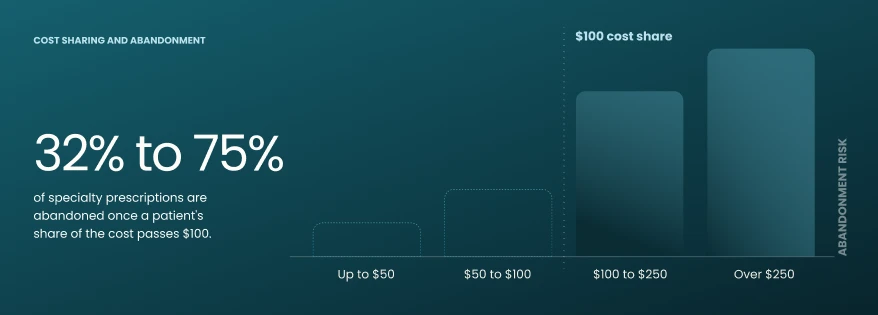
Affordability directly impacts the patient experience. Healthcare leaders increasingly recognize that financial stress can influence treatment decisions, adherence, and overall outcomes. Research shows specialty medication abandonment rates can rise as high as 32% to 75% when patient cost sharing exceeds $100.[2] A disconnected financial experience can create delays in care, prescription abandonment, and lower patient satisfaction. Improving financial access is now a core component of patient-centered care.
3. Digital Engagement Improves Access to Financial Assistance
Many patients are unaware they qualify for copay assistance, manufacturer support, foundation funding, or patient assistance programs. Digital financial navigation tools help surface available support in real time and guide patients through enrollment faster. This increases utilization of available funding while reducing administrative burden on providers and pharmacies.
4. Better Patient Engagement Leads to Better Treatment Adherence
When patients understand their affordability options and can easily access support, they are more likely to start and stay on therapy. Connected patient engagement tools improve communication, reduce confusion, and support long-term medication adherence, especially for patients managing chronic or specialty conditions. Studies continue to demonstrate a strong inverse relationship between higher patient cost sharing and medication adherence across multiple disease states.[3]
5. Consumer-Driven Technology Supports Health Equity
Financial barriers disproportionately impact vulnerable and underserved populations.
Technology that improves access to affordability programs, simplifies enrollment, and reduces administrative complexity can help close gaps in care and improve health equity across diverse patient populations.
6. Transparency Builds Trust
Patients want greater visibility into treatment costs, coverage options, and available financial support. Modern healthcare technology can improve price transparency and empower patients to make informed decisions about their care journey. Transparency also strengthens trust between patients, providers, and pharmacies.
7. Positive Financial Experiences Improve Patient Satisfaction
Patients remember how difficult or easy it was to access care. Organizations that simplify the affordability journey create stronger patient experiences, improve retention, and differentiate themselves in an increasingly competitive healthcare landscape.
8. Affordability Drives Better Outcomes
Medication affordability and treatment adherence are deeply connected. When patients can access copay assistance, financial support, and affordability resources quickly, they are more likely to follow prescribed treatment plans and achieve better long-term health outcomes. Research has estimated that medication nonadherence contributes to as much as $100 billion to $300 billion in avoidable healthcare costs annually in the United States.[4]
9. Connected Financial Workflows Strengthen Financial Performance
Improving patient affordability is also good business. For providers, better financial navigation can improve revenue cycle performance, reduce bad debt, and minimize treatment delays. For pharmacies, it can reduce prescription abandonment and increase therapy conversions. Connected affordability workflows create operational efficiency while supporting patient access.
10. A Connected Healthcare Ecosystem Benefits Everyone
Healthcare works better when providers, pharmacies, life sciences organizations, and patient support programs are connected around the patient journey. By improving visibility across the medication access process and activating support earlier, healthcare organizations can reduce fragmentation and ensure more patients receive the care they need.
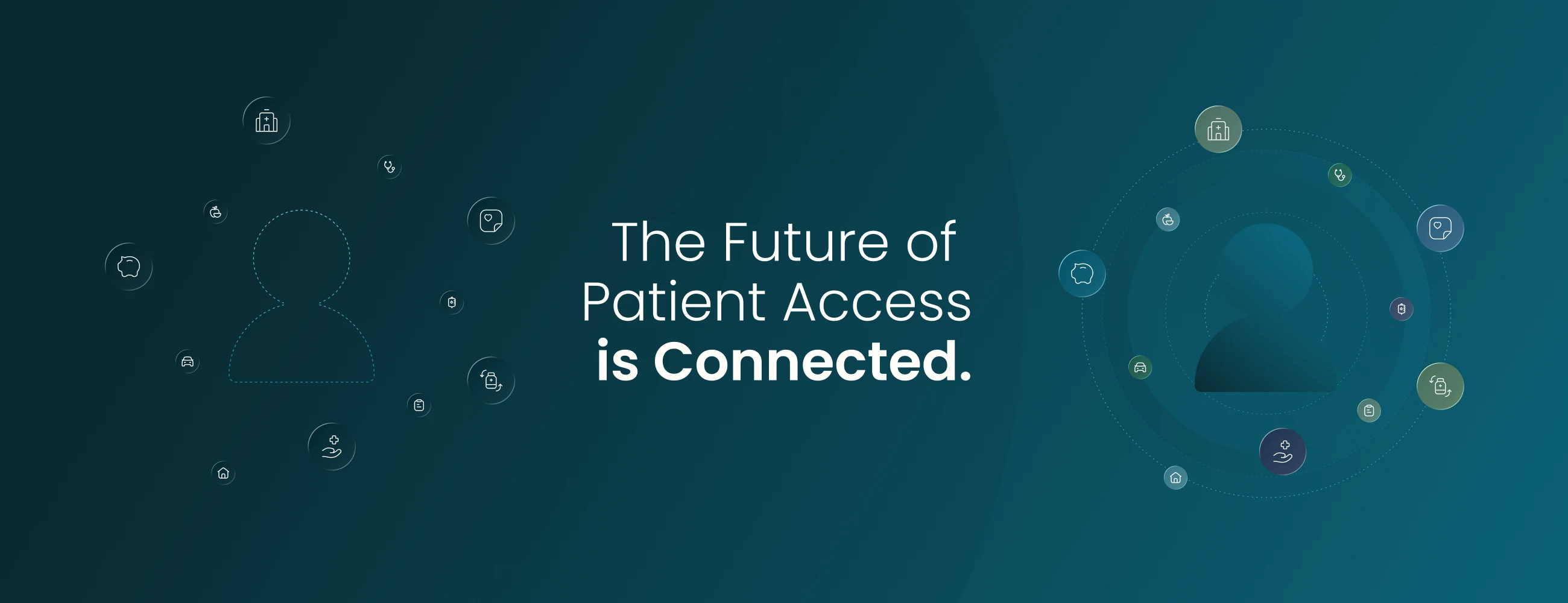
The Future of Patient Access Is Connected
Healthcare organizations cannot solve affordability challenges with manual processes and disconnected systems. The future of patient access depends on connected technology that brings together financial assistance, affordability programs, pharmacies, providers, and patients into a unified experience.
At TailorMed, we believe every barrier removed ismeans another patient who can start and stay on treatment. Today, TailorMed's network reaches more than 75 million patients across 945+ hospitals, 4,700+ clinics, and 3,100+ pharmacies nationwide.[5] TailorMed has helped secure more than $7.4 billion in financial assistance since 2020, helping healthcare organizations reduce barriers to treatment while improving patient access and adherence.
By simplifying financial navigation, automating access workflows, and connecting the healthcare ecosystem, organizations can improve affordability, accelerate treatment access, and create better outcomes for patients and providers alike.
References
- IQVIA Institute data cited by Axios. Americans spent $98 billion out of pocket on prescription drugs in 2024. May 2025.
- Doshi JA, et al. The association between cost sharing, prior authorization, and specialty drug abandonment. National Library of Medicine / PMC. 2023.
- Association Between Patient Cost Sharing and Medication Adherence. National Library of Medicine / PMC. 2023.
- Economic burden of medication nonadherence. National Library of Medicine / PMC. 2023.
- TailorMed Platform Overview.
About TailorMed
TailorMed is the medication success platform removing every barrier across the patient medication journey, from access and affordability through adherence and ongoing care. Through a connected network spanning 945+ hospitals, 4,700+ clinics, 3,100+ pharmacies, 100+ life sciences programs, and 6,000+ support programs, TailorMed has supported over 75 million patients and secured more than $7.4 billion in financial assistance since 2020. TailorMed's platform, including TailorMed Core, TailorMed Connect, TailorMed Complete, TailorMed Amplify, and TailorMed Alliance, connects patients, providers, pharmacies, and life sciences companies through one coordinated network designed to reach every patient at every step of their medication journey. Learn more at tailormed.com.
Media Contacts:
Jennifer Martin, VP, Marketing
jenm@tailormed.co
PR Contacts:
Glenn Goldberg
Parallel Communications Group
+1 516 776-3282
𝕏: @Parallel_PR
LinkedIn
ggoldberg@parallelpr.com
View More News & Blogs
TailorMed and Tennr Announce Collaboration to Streamline Patient Medication Workflows
 WeInfuse Announces Partnership with TailorMed to Remove Systematic Medication Barriers for Infusion Patients